




Strategic Ecommerce Implementation Paths
Every ecommerce project requires a balance between speed-to-market and long-term technical flexibility. Our in-house team offers two distinct engineering paths, ensuring that regardless of your budget, your storefront is built on a stable foundation.
Choose the Right Path for Your Project
Whether you need a fast, cost-effective launch or a ground-up custom build, we ensure your storefront is stable, secure, and easy to manage.
Template-Based Ecommerce DesignAn efficient path to a professional online storefront. | Custom Ecommerce Design & ArchitectureA completely custom path to your perfect ecommerce store. | |
|---|---|---|
| Ideal For: | Small to mid-size online stores, even those with large product catalogs, that use fairly standard products and don’t need heavily customized shopping features. A great fit if you want a professional, fast-launching store without a custom-build budget. | Stores with more complex needs – things like product configurators, advanced filtering or search, mixed or variable product types, custom shipping logic, or unique design and functionality a template can’t handle cleanly. |
| Starting Point: | Instead of starting with expensive custom mockups, we provide a selection of vetted, hand-picked templates – like those in the Woodmart ecosystem – that we’ve used and trusted for years. You choose a base design that fits your vision, and we handle the rest. | We start with a blank canvas. Our UI/UX architects draft custom mockups in Figma of your home, content, category / collection, and product layouts. This allows for completely look and feel that makes your online store stand out from the rest. |
| Build Process: | We set up the template in a dev environment, remove demo content, and harden the theme with our preferred configuration. From there, we customize the colors, typography, and layout to match your brand. After that, we integrate your products into the theme, tune for page speed, and optimize for search performance. | Once you approve the mockups, we build a completely custom theme from scratch in a dev environment. This results in a lean codebase – meaning there is no unnecessary bloat from features you don’t need. The end result is a fully custom storefront with unmatched speed, security, and capability. |
| The Result: | You get a polished, high-functioning online store at a lower price point, built on a foundation we know how to support and maintain. | You get a “perfect” website, free of constraints found in templates, and benefit from a minimal codebase and improved crawlability. |
| Project Investment: | Starts at $6,000 | Timeline: 3-5 Weeks | Typically $17,500 – $27,500 | Timeline: 3-4 Months |
The Architects of Your Future Ecommerce Store
In high-volume ecommerce, your store’s stability is directly tied to the accountability of its builders. At WebCitz, our entire development team is based in-house at our headquarters in Wisconsin. This proximity allows our UI/UX designers and full-stack engineers to collaborate in real-time on complex data migrations, API integrations, and custom logic. When you partner with us, you gain a direct line to the technical specialists actually architecting your brand’s digital future.






Ecommerce Project Scoping & Investment Calculator
Define the technical parameters of your digital storefront to receive a budget estimate before we begin a formal technical discovery.
Case Studies in Ecommerce Builds
These ecommerce case studies document our ability to build professional ecommerce storefronts that prioritize conversion logic and visual resilience.
From headless API-first deployments to hardened Shopify or WooCommerce builds, these case studies highlight how our onsite Wisconsin team transforms operational complexity into scalable, revenue-driving digital infrastructure.
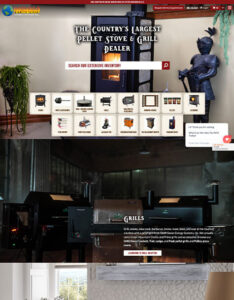
Pellet Head
High-Velocity Parts Distribution: Architecting a Bespoke Commerce Framework
Pellet Head required a total digital intervention to resolve legacy technical debt and improve transactional velocity across a massive inventory of specialized stove components. WebCitz engineered a bespoke WooCommerce framework, replacing a bloated, unoptimized environment with a custom-hardened architecture built for sub-second rendering. Central to the deployment was a high-integrity data migration of thousands of SKUs and historical order records, synchronized with a sophisticated filtered navigation logic that minimizes “time-to-discovery” for technical parts. By integrating specialized Google Merchant Center optimization with enterprise-grade infrastructure, we transformed a fragmented digital asset into a streamlined, high-performance revenue engine capable of handling extreme seasonal traffic spikes.
Certified Scale
Industrial Logistics Engineering: Architecting a Precision-Instrument Commerce Engine
Certified Scale required a total infrastructure modernization to resolve the legacy technical debt of an aging Magento 1.x environment. WebCitz architected a high-stakes migration to a custom-hardened WooCommerce ecosystem, specifically engineered to manage the complex logistics orchestration required for high-precision laboratory and industrial equipment. The deployment features a proprietary freight-shipping engine and multi-dimensional filtering logic, enabling users to navigate thousands of technical SKUs with clinical precision. By integrating automated data-synchronization tools for manufacturer pricing and implementing Generative Engine Optimization (GEO), we transformed a fragmented legacy asset into a high-velocity, national commerce powerhouse that prioritizes structural integrity and transactional scale.

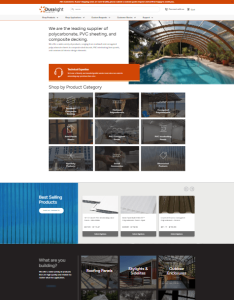
Duralight Plastics
Industrial Logistics Orchestration: Engineering Dimensional Shipping Logic for Global Distribution
Duralight Plastics manages a product catalog characterized by extreme dimensional complexity, requiring a digital environment capable of automated freight orchestration. WebCitz engineered a proprietary dimensional calculation engine within a custom-hardened WooCommerce infrastructure, specifically designed to determine real-time crate sizing and LTL (Less-Than-Load) logistics based on bespoke panel measurements. By successfully migrating this specialized business logic through three platform eras – from legacy Magento Go to a modern, scalable ecosystem – we eliminated the manual friction of industrial shipping coordination. This project showcases our role as a technical closer, managing high-stakes database architecture and multi-brand corporate governance to ensure total operational continuity across a complex industrial landscape.
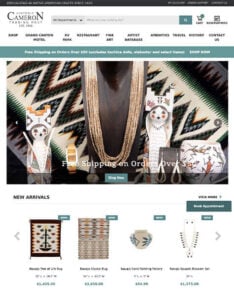
Cameron Trading Post
High-Value Heritage Commerce: Engineering Transactional Continuity and CRM Orchestration
Cameron Trading Post represents a near twenty-year commitment to architectural continuity, successfully navigating the transition from restrictive legacy environments to a custom-hardened WooCommerce ecosystem. To facilitate the acquisition of high-value, museum-quality art, WebCitz engineered a proprietary transactional layaway workflow, enabling complex payment scheduling within a seamless checkout environment. This infrastructure is anchored by a bespoke mPower CRM integration, utilizing automated data synchronization to maintain inventory integrity between their Arizona-based physical landmark and their global digital presence. This project highlights our ability to manage multifaceted enterprise portals while providing the long-term technical stewardship required to preserve complex business logic through successive platform generations.
Strategic Ecommerce Platform Selection
Selecting an ecommerce platform is a foundational decision that dictates your long-term operational costs and technical flexibility. We don’t believe in a static suggestion for every client. Our Wisconsin-based ecommerce developers perform a thorough evaluation of your functional requirements, data complexity, and scaling goals to recommend the architecture that best serves your ROI.
WooCommerce: The Open-Source Powerhouse
For brands that require total ownership of their codebase and deep-layer customization, we recommend WooCommerce. Built on the WordPress ecosystem, it offers a no-limit environment for complex business logic. We utilize this open-source flexibility to engineer bespoke action layers, allowing AI agents to navigate your custom product configurators and execute complex tasks that walled garden SaaS platforms cannot support.
- Complex Logic & Builders: We prioritize WooCommerce for projects involving advanced product builders, unique user-role logic, or industries that require a level of control not permitted within SaaS platforms.
- Architectural Flexibility: Ideal for businesses with existing WordPress assets or those who require bespoke product configurators and clean-slate PHP engineering.
- Economic Scalability: As an open-source platform, WooCommerce eliminates the recurring revenue tax and high app subscription costs associated with hosted SaaS ecommerce platforms.
Shopify: The Operational Velocity Engine
For merchants who prioritize speed-to-market and a streamlined administrative experience, we recommend Shopify. As a SaaS platform, it provides a highly stable, secure environment. We focus on hardening your Shopify Liquid files for UCP readiness, ensuring your products are eligible for the Universal Cart – allowing users to purchase directly within AI interfaces without leaving the search results.
- Rapid Deployment: We utilize Shopify for projects requiring fast turnarounds. It allows for rapid testing of conversion strategies and seamless integration with a massive ecosystem of vetted ecommerce apps.
- Ecosystem Reliability: By operating within a hosted environment, your brand benefits from enterprise-grade security and global CDN performance natively, allowing for rapid scaling during high-traffic events.
- Reduced Technical Overhead: Shopify is the premier choice for brands that want to focus on marketing and fulfillment rather than server patches, security updates, or plugin compatibility audits.
Ecommerce Redesign & Data Migration
A redesign is more than a visual refresh – it is a strategic opportunity to eliminate technical debt, fix product data, and optimize for higher conversion velocity. However, an unmanaged redesign can be a liability.
At WebCitz, we utilize a performance-first redesign protocol to ensure that your visual improvement never comes at the expense of your existing search authority or operational stability.
Defining Objectives For Ecommerce Developments
A high-performance ecommerce build is a significant capital investment. To ensure maximum ROI, our technical discovery phase focuses on aligning our engineering efforts with your specific business objectives. By defining these success metrics early, we ensure that every line of code serves a strategic purpose.
Common Success Metrics:
- Market Entry & Architecture: Engineered for new ventures requiring a scalable, secure, and conversion-ready foundation to capture immediate market share.
- Platform Modernization (Migration): Seamlessly transitioning legacy stores into modern stacks (Shopify, WooCommerce, or Laravel) to eliminate technical debt and improve operational security.
- Conversion Velocity (UX/UI Redesign): Re-architecting the user journey to lower bounce rates, increase average order value (AOV), and optimize add to cart metrics through data-driven design.
- Performance Engineering: Optimizing the technical core to achieve solid mobile responsiveness and load speeds, directly impacting both search visibility and user retention.
- Accessibility Integration: Incorporating foundational ADA and WCAG best practices into your frontend architecture to enhance inclusivity and support your brand’s efforts toward digital accessibility.
Need assistance defining your technical scope? Our Wisconsin-based team is available to help you translate your business goals into a set of actionable technical requirements.
Vetting Ecommerce Partners
The success of a high-volume ecommerce build depends on the transparency of the development process. We encourage every potential partner to perform a technical audit of our team during the sales cycle. Pay close attention to how an agency handles complex technical queries – it is the most accurate predictor of how they will handle your store’s data and code.
- Do you outsource ecommerce development or design? We do not outsource. Every line of code, every UI mockup, and every database migration is handled by our own team of Shopify and WooCommerce engineers. By keeping our entire development lifecycle in-house at our Wisconsin headquarters, we eliminate communication silos and ensure total accountability.
- How do you manage SEO preservation during a migration? SEO integrity is a non-negotiable part of our engineering protocol. While platform migrations often require structural URL changes, we implement a comprehensive 301 redirect map to ensure your organic authority is preserved. We prioritize maintaining your existing URL logic whenever possible to minimize search engine friction.
- Are design mockups provided before coding begins? For custom ecommerce developments, we lead you through a professional design lifecycle involving high-fidelity mockups within Figma. This allows for an architectural review of the user journey before development starts. For our value-focused template-based developments, we provide vetted theme samples to establish the visual foundation before configuration begins.
- Do you provide a technical review for platform selection? We don’t just pick a platform. We perform a technical discovery to determine whether Shopify, WooCommerce, or a custom Laravel system best aligns with your business logic. Our recommendation is based on 22 years of experience in scalability, maintenance, and functionality.
- What is the standard development lifecycle for an ecommerce build? A managed template implementation typically moves from discovery to launch within 2-3 months, while a bespoke, ground-up architectural build usually requires a 2-3 month development cycle. This ensures sufficient time for rigorous testing and data validation.
- Can you provide proof of performance and technical integrity? Absolutely. We maintain an extensive ecommerce project archive and a deep library of client reviews. We invite you to examine our case studies to see how we’ve solved complex functional challenges and scaled revenue for brands nationwide
Our Ecommerce Development Lifecycle
Successful ecommerce architecture requires a rigorous, repeatable process. Over the past 22 years, our in-house Wisconsin team has refined a 5-phase development lifecycle designed to eliminate technical friction, protect data integrity, and ensure a seamless transition from concept to conversion.
Technical Discovery & Operational Audit
We begin with a series of discovery sessions to map your operational landscape. We review your current data structures, evaluate third-party integrations (ERPs, CRMs, etc), and define your functional requirements. This ensures every stakeholder is aligned on the technical scope before design or code is worked on.
Strategic Alignment & Project Kickoff
Once the blueprint is finalized, we hold an operational kickoff to establish clear milestones, define communication expectations, and assign direct accountability for every phase of the build. You will be introduced to the specific engineers and designers who will be personally responsible for your store’s success, some of which you may have met during discovery conversations.
UI/UX Architecture & Technical Vetting
Depending on your chosen implementation path, we move into visual development.
- Custom Build Path: We design high-fidelity mockups, typically in Figma, of your core storefront pages for architectural review.
- Template Build Path: We guide you through a selection of technically vetted themes that align with your performance goals. This ensures the look and feel is backed by sound technical logic before the build begins.
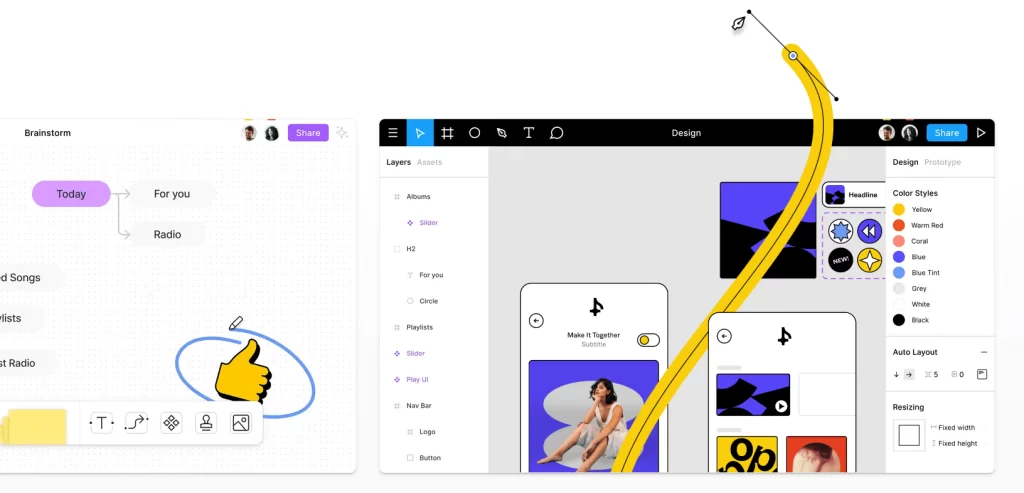 Screenshot of Figma tools
Full-Stack Development & Systems Integration
This is the core engineering phase where we handle the heavy lifting – from meticulous data migrations and custom PHP/Liquid development to API integrations and theme customization. All of this is performed in a secure development sandbox that gives you a private way to monitor progress and provide feedback in real-time.
Technical Stewardship, Training & Deployment
Before launch, we conduct thorough training sessions to ensure your team is confident managing orders, inventory, and content. We then execute a strategic launch protocol, which includes final SEO validation, 301 redirect testing, and server-side optimization to ensure your new storefront is live, stable, and ready for high-volume traffic.
Growing Your New Ecommerce Storefront
A high-performance storefront is the foundation, but sustainable growth requires a synchronized digital ecosystem.
Beyond initial architecture, our Wisconsin-based team provides specialized, in-house services designed to drive lead velocity, improve operational efficiency, and protect your brand’s digital authority.
- Web Accessibility: We can provide ongoing support for incorporating ADA and WCAG best practices into your storefront. We focus on foundational inclusivity to improve the user experience for all customers while supporting your brand’s compliance efforts.
- Search Architecture & Synthesis Engineering: Our ecommerce SEO specialists implement the technical infrastructure required for your products to be cited and recommended by AI discovery engines. By hardening your structured data and action layer, we ensure your storefront is built as the verified source of truth for both traditional search and autonomous task agents.
- Paid Media: We engineer high-ROI advertising campaigns across Google, Reddit, Meta, and Microsoft. By focusing on high-intent search terms and precision-targeted social ads, we ensure your ad spend translates into measurable revenue growth.
- Conversion Rate Optimization (CRO): We utilize UI/UX engineering to identify and eliminate friction points in your shopping funnel. Through continuous testing and landing page optimization, we work to lower bounce rates and increase your average order value (AOV).
- Bespoke Functional Engineering: For brands requiring ongoing innovation, our programmers provide advanced PHP, Vue.js, JavaScript, and Stencil development. We handle everything from custom feature requests to deep-layer API integrations that keep your storefront ahead of the competition.
- Brand Asset Development: Our creative team provides professional graphic design for high-impact web banners, social media assets, infographics, and affiliate marketing assets – ensuring a unified, authoritative brand identity across every digital touchpoint.
Ecommerce Development FAQs
How do you determine if Shopify, WooCommerce, or a custom Laravel system is right for us?
We perform a rigorous technical discovery to review your business logic and scaling objectives. For brands prioritizing operational velocity and reduced overhead, we often recommend Shopify. For those requiring total codebase ownership and highly custom functional logic, we often recommend WooCommerce or Laravel. Our goal is to select the architecture that eliminates technical limitations and supports your long-term ROI.
How do you ensure a high-volume storefront satisfies 2026 performance signals?
Ecommerce revenue is closely aligned with interaction speed. We focus on rendering path hardening, specifically targeting Interaction to Next Paint (INP). By auditing the underlying codebase, optimizing CSS/JS execution, and stripping away the template debt found in generic themes, we ensure every product filter and checkout transition is snappy, maximizing your conversion floor on mobile devices.
Can you integrate our storefront with legacy inventory or accounting systems?
Yes. We specialize in system interoperability. Our full-stack engineers build reliable, bi-directional API bridges between your storefront and legacy nodes like FileMaker, NetSuite, or QuickBooks. By hardening these data paths, we eliminate manual entry and signal loss, ensuring your inventory levels are synchronized in real-time and providing the source of truth that AI recommendation engines require to confidently cite your brand.
Will we lose our organic search rankings during a redesign or platform migration?
Not under our oversight. We utilize a performance-first redesign protocol designed to keep the migration invisible to search crawlers. This includes meticulous 301 redirect mapping and structural logic audits to ensure your SEO juice is preserved. We prioritize maintaining your existing URL integrity whenever possible to prevent rank erosion and ensure a seamless transition for your existing customer base.
How long does a full-scale ecommerce build typically take?
We offer two distinct implementation paths based on your needs:
- A vetted template implementation focuses on rapid deployment and can move from discovery to launch within 3–5 weeks.
- A custom, ground-up build focuses on zero technical debt, maximum synthesis probability, and unlimited scaling which typically requires a 3–4 months.
Who is actually writing the code and managing our data migration?
Every database migration, custom PHP/Liquid script, and UI component is engineered by our actual in-house team in Menasha, Wisconsin. We do not outsource your ecommerce project to white-label contractors or black box agencies. You have a direct line to the senior developers who understand your logic and are personally accountable for your store’s stability.
What post-launch support and maintenance services do you offer?
We offer a range of ecommerce website support services, including content updates, theme improvements, and issue troubleshooting.
Will you train my team on how to manage the ecommerce site?
Yes, we can provide basic training sessions to ensure you and your team can confidently manage and update your online store. We do not provide development or marketing training though, just basic catalog and order management training.
Will my new storefront be ready for search engines and AI discovery?
Absolutely. We can engineer ecommerce projects with search architecture integrity as a core requirement. This means your site’s “plumbing” – the site speed, URL structure, and nested product schema – is hardened to ensure search engines and AI agents can accurately parse your inventory.
However, it is important to distinguish between infrastructure and authority:
- The Infrastructure (Our Build): We can provide the high-performance vessel. This includes resolving technical debt, optimizing Interaction to Next Paint (INP), and ensuring your data is machine-readable for the AI landscape.
- The Authority (Ongoing Strategy): Dominating a market requires ongoing model grounding. This involves content creation, digital PR, and sentiment management to build the trust signals that AI models require to cite your brand.
While our builds can provide the foundation required to compete, sustainable search dominance is an ongoing engineering effort. Ask us about our ecommerce marketing services if you are looking to accelerate your organic revenue post-launch.
Hear what our customers are saying

Dawn White
These guys are always there when you need them! Whether the issue is big or small, there is little they cannot handle. I cannot express enough how greatly we appreciate their continued superior service and willingness to assist whenever we need them. Thanks Dave, Corey and the entire WebCitz team!!

Carissa Giebel
They are great to work with. Always quick to respond to my questions and assist when needed! They have been working with me at Legacy Law Group, LLC for many years.